Charlie Chaplin Silent Film

A relentless perfectionist, Chaplin sought total control over his creative output.

He contrasted high-status mannerisms with low-status circumstances (e.g., dusting his threadbare coat as if it were fine silk). charlie chaplin silent film

In The Kid (1921), his first full-length feature, Chaplin explored the pain of abandonment and the beauty of found family, drawing heavily from his own traumatic, impoverished childhood in London. The film opened with the title card: "A picture with a smile—and perhaps, a tear." It proved to the industry that audiences could laugh hysterically at a comedy while simultaneously weeping for its characters. The film opened with the title card: "A

Chaplin understood that poverty is not funny, but survival is. The Tramp never wins; he never gets the girl or the money. But he always walks away, twirling his cane, ready for the next alley cat fight. That resilience is the ultimate antidote to our modern anxiety. But he always walks away, twirling his cane,

| | Year | Key Highlights | | :--- | :--- | :--- | | The Kid | 1921 | Chaplin's first full-length feature; a perfect blend of comedy and pathos. | | The Gold Rush | 1925 | Often cited as his greatest silent film; masterpiece of visual comedy. | | The Circus | 1928 | Underrated gem with incredible tightrope stunts and emotional depth. | | City Lights | 1931 | A silent film made in the era of talkies; features the most touching ending in cinema history. | | Modern Times | 1936 | His last (mostly) silent film; a scathing satire of industrialization. |

Set during the Klondike gold rush, this film features some of cinema’s most famous visual gags. Iconic scenes include Chaplin eating a boiled leather shoe like a gourmet feast and making bread rolls dance on forks. City Lights (1931)

he used in Modern Times Explain why he resisted "Talkies" for so long Let me know which topic interests you! Share public link


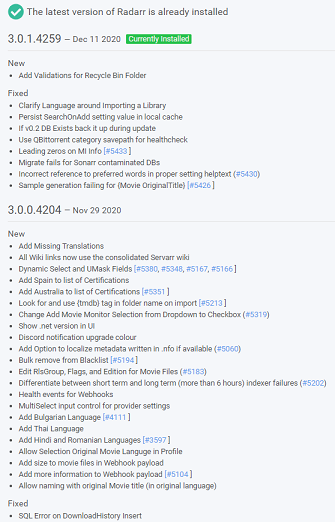
Notifications and fully customizable quality profiles.

charlie chaplin silent film charlie chaplin silent film
charlie chaplin silent film charlie chaplin silent film charlie chaplin silent film

Multiple Movie views.

charlie chaplin silent film

Follow your favorite collections, actors, directors

charlie chaplin silent film charlie chaplin silent film

Frequent updates. See what's new without leaving the comfort of the app.

Features

charlie chaplin silent film

Calendar

See all your upcoming movies in one convenient location.

charlie chaplin silent film

Manual Search

Find all the releases, choose the one you want and send it right to your download client.

charlie chaplin silent film

Automatic Failed Download Handling

Radarr makes failed downloads a thing of the past. Password protected releases, missing repair blocks or virtually any other reason? no worries. Radarr will automatically blacklist the release and tries another one until it finds one that works.

charlie chaplin silent film

Custom Formats

Ensure you get the right release every time! Custom Formats allows fine control over release prioritization and selection. As simple as a single preferred word or as complex as you want with multiple criteria and regex.

A relentless perfectionist, Chaplin sought total control over his creative output.

He contrasted high-status mannerisms with low-status circumstances (e.g., dusting his threadbare coat as if it were fine silk).

In The Kid (1921), his first full-length feature, Chaplin explored the pain of abandonment and the beauty of found family, drawing heavily from his own traumatic, impoverished childhood in London. The film opened with the title card: "A picture with a smile—and perhaps, a tear." It proved to the industry that audiences could laugh hysterically at a comedy while simultaneously weeping for its characters.

Chaplin understood that poverty is not funny, but survival is. The Tramp never wins; he never gets the girl or the money. But he always walks away, twirling his cane, ready for the next alley cat fight. That resilience is the ultimate antidote to our modern anxiety.

| | Year | Key Highlights | | :--- | :--- | :--- | | The Kid | 1921 | Chaplin's first full-length feature; a perfect blend of comedy and pathos. | | The Gold Rush | 1925 | Often cited as his greatest silent film; masterpiece of visual comedy. | | The Circus | 1928 | Underrated gem with incredible tightrope stunts and emotional depth. | | City Lights | 1931 | A silent film made in the era of talkies; features the most touching ending in cinema history. | | Modern Times | 1936 | His last (mostly) silent film; a scathing satire of industrialization. |

Set during the Klondike gold rush, this film features some of cinema’s most famous visual gags. Iconic scenes include Chaplin eating a boiled leather shoe like a gourmet feast and making bread rolls dance on forks. City Lights (1931)

he used in Modern Times Explain why he resisted "Talkies" for so long Let me know which topic interests you! Share public link

Support