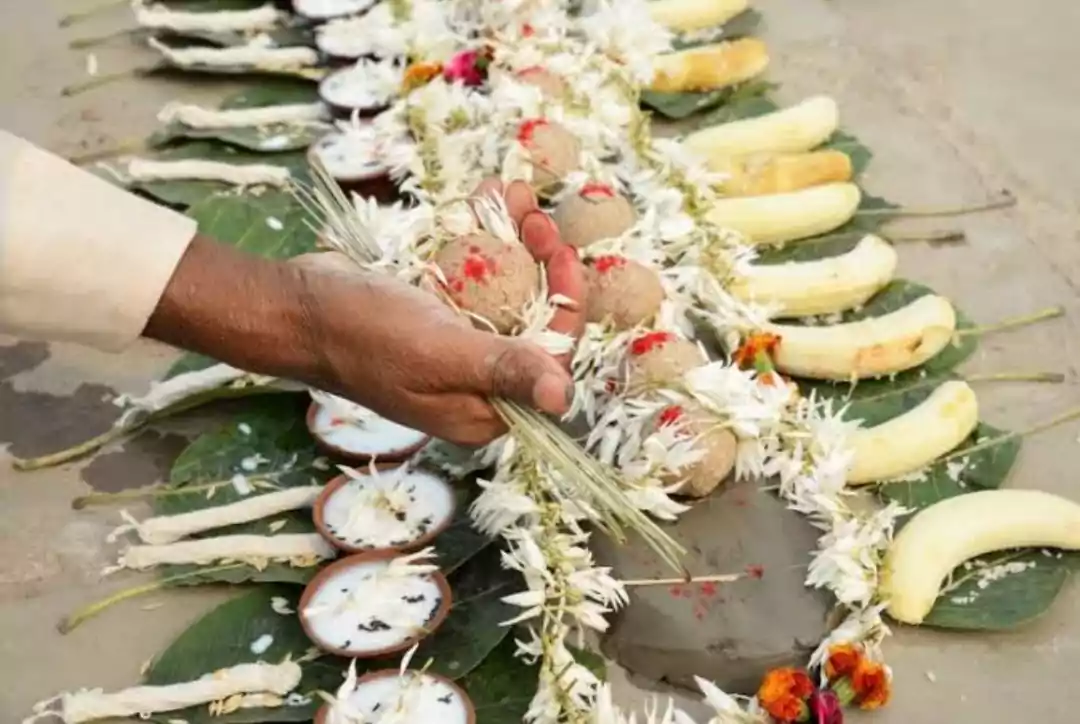
 For detailed analysis on the Shradh date or to find the right date for Tithi. Contact Acharya Sumedh Narayan Soni by booking a consultation with Rudra Astrology Center
This public link is valid for 7 days and shares a thread, including any personal information you added. This link or copies made by others cannot be deleted. If you share with third parties, their policies apply. Can’t copy the link right now. Try again later. The Urban Design Process Book By Hamid Shirvani 1985 | eBay
Despite the debate over its originality, the book's most enduring and practical contribution to the field is its articulation of eight physical elements that constitute the framework of urban form. This typology has been widely adopted and applied in urban design research and practice for decades. According to Shirvani (1985), these eight elements are:
Indian lifestyle is deeply rooted in ancient philosophical concepts that subtly guide behavior, even in modern urban settings.
Shirvani observed a distinct problem in late 20th-century American cities: Urban planners were good at data and zoning, and architects were good at individual buildings, but no one was responsible for the space in between . The Urban Design Process was his answer to that professional no-man's-land.
Hamid Shirvani’s "The Urban Design Process" (1985) establishes a foundational framework for structuring the built environment through eight key physical elements, including land use, building form, and open space. The text outlines a systematic four-phase method—analysis, synthesis, evaluation, and implementation—to connect urban planning with physical design. For a comprehensive overview, review the analysis at archive.org Urban Design Process Phases Explained | PDF - Scribd

To check your daily horoscope, click the link below.